Although I do love sitting and appreciating the colour and diversity in the flower borders, I also find it fascinating to get up close and see the stamens and pollen which attracts all those wonderful bees, bugs and butterflies to my garden.
So I have been trying to capture some of it with my camera.
Take the Feverfew, with it’s pretty daisy like aspect 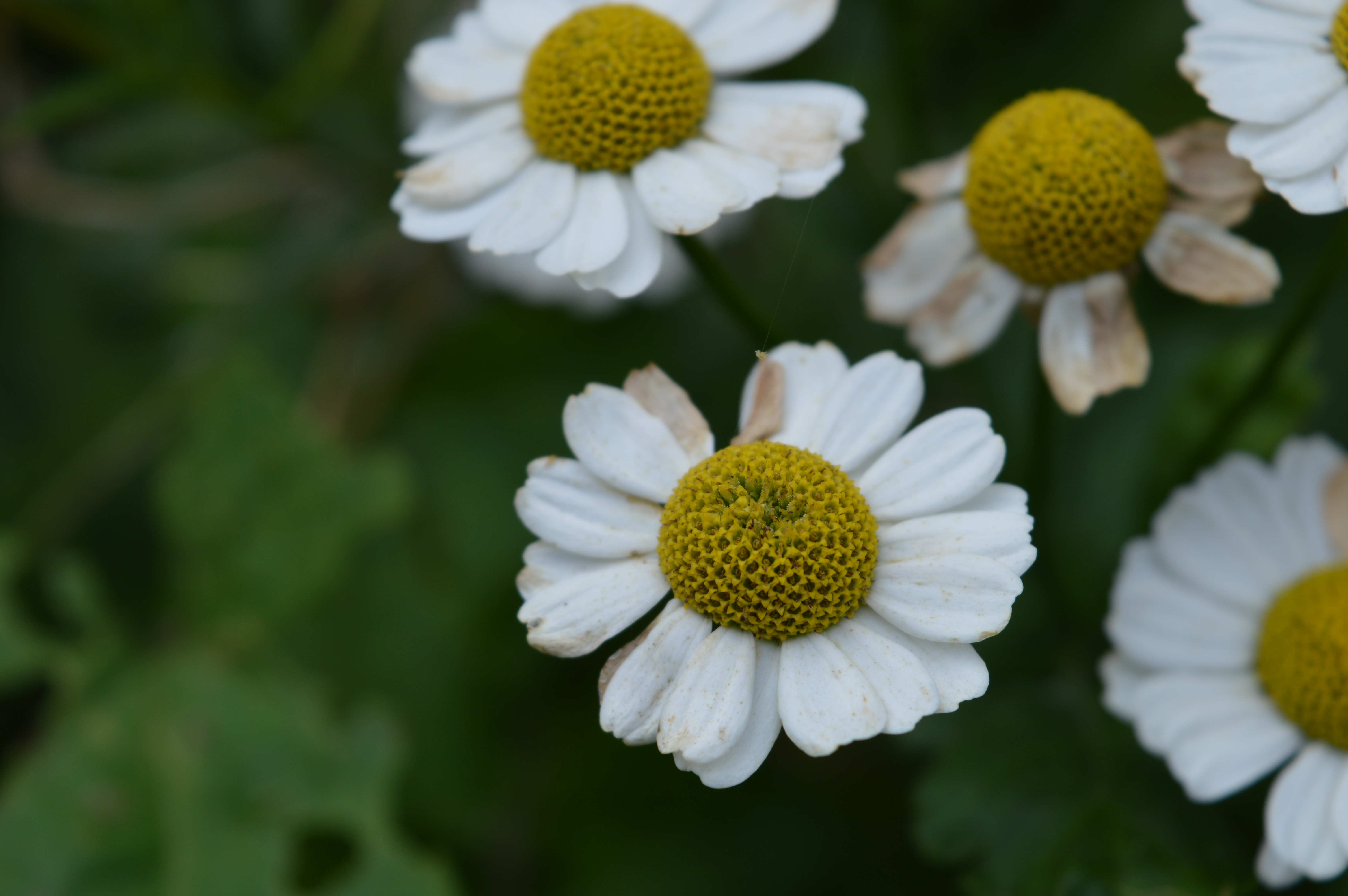
but up close you can see the mass of tiny tubules
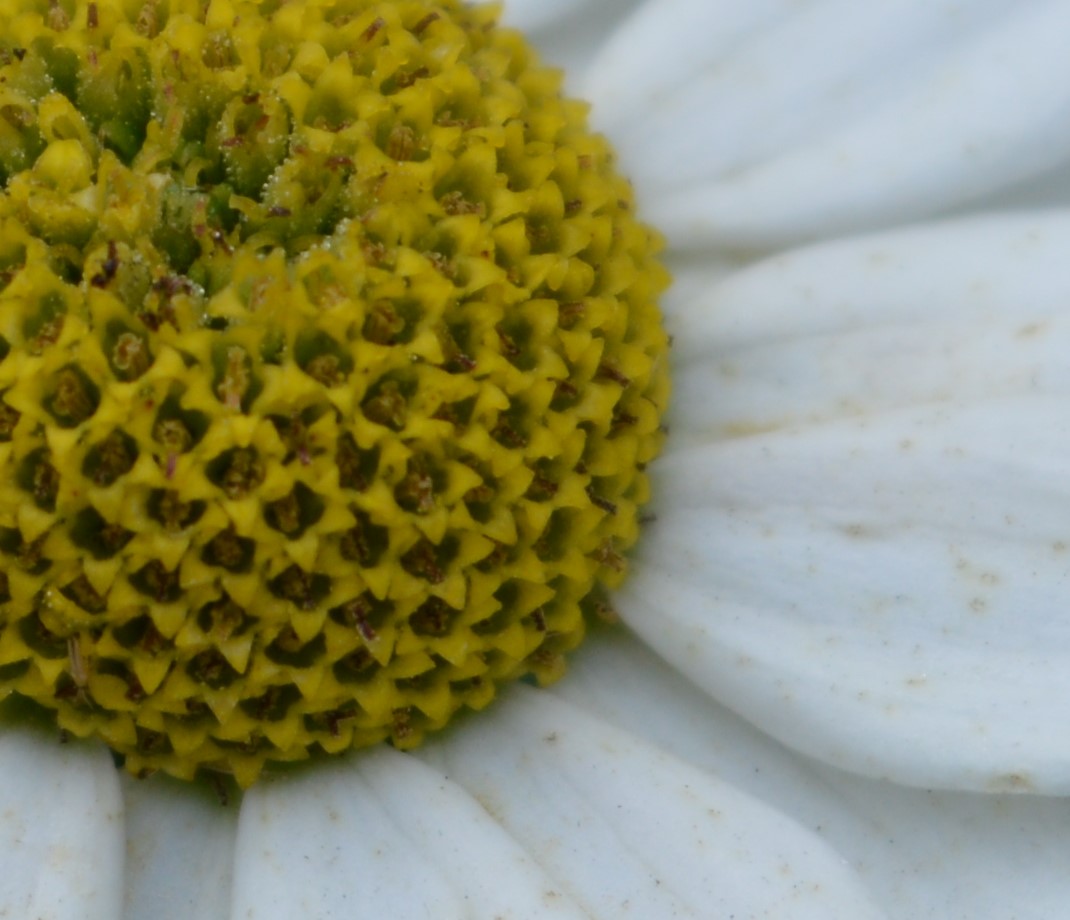 that house the nectar and pollen
And likewise the Cosmos 
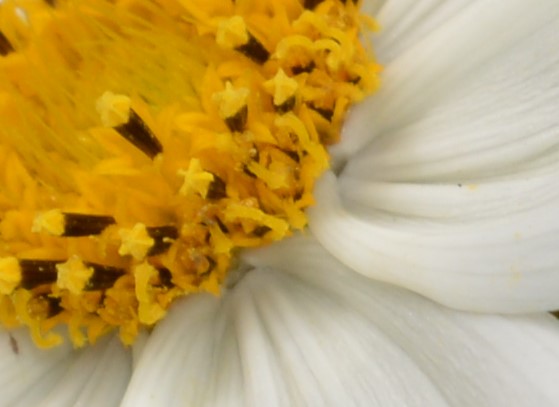 with their pollen capped flutes
Then there’s the Geberra 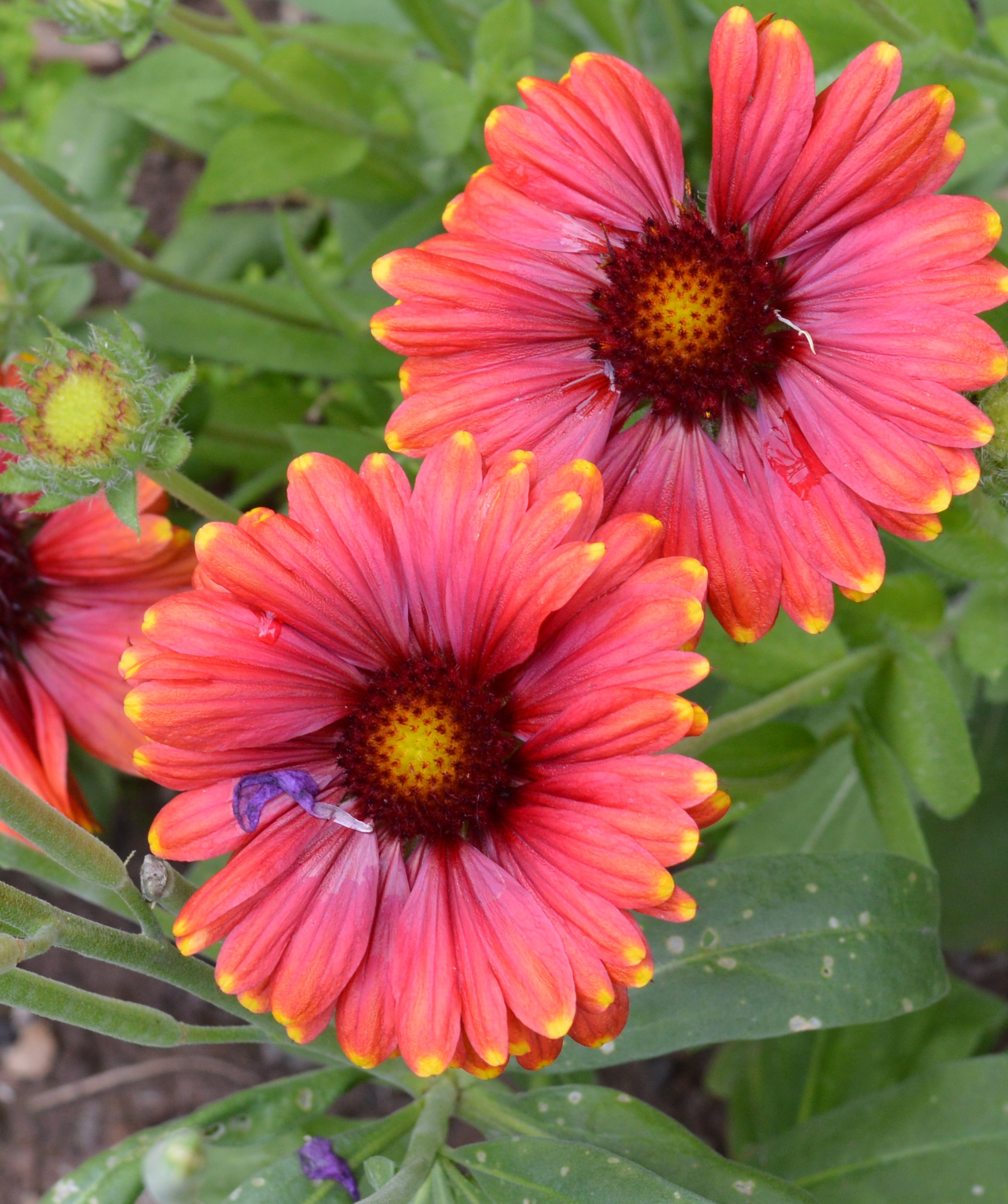
which first appear as soft,downy heads
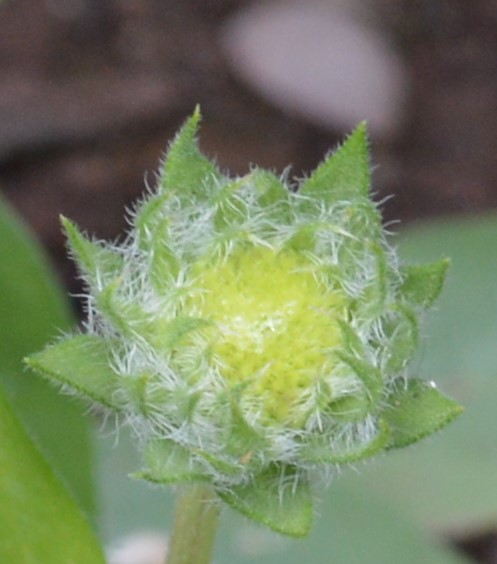
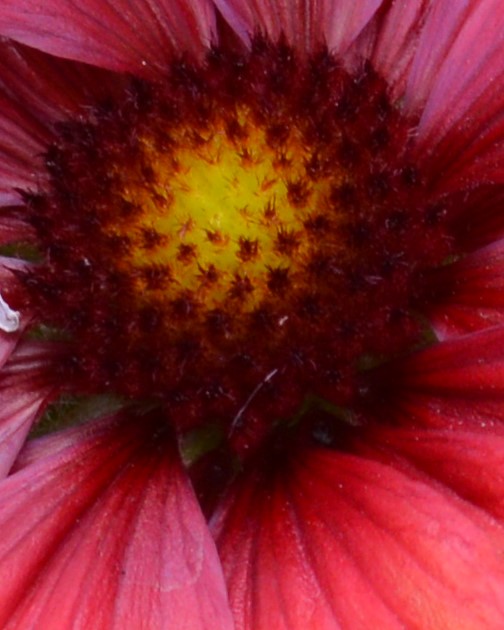 and then develop their dark centre of dotted with star like stamens
The Rudbeckia 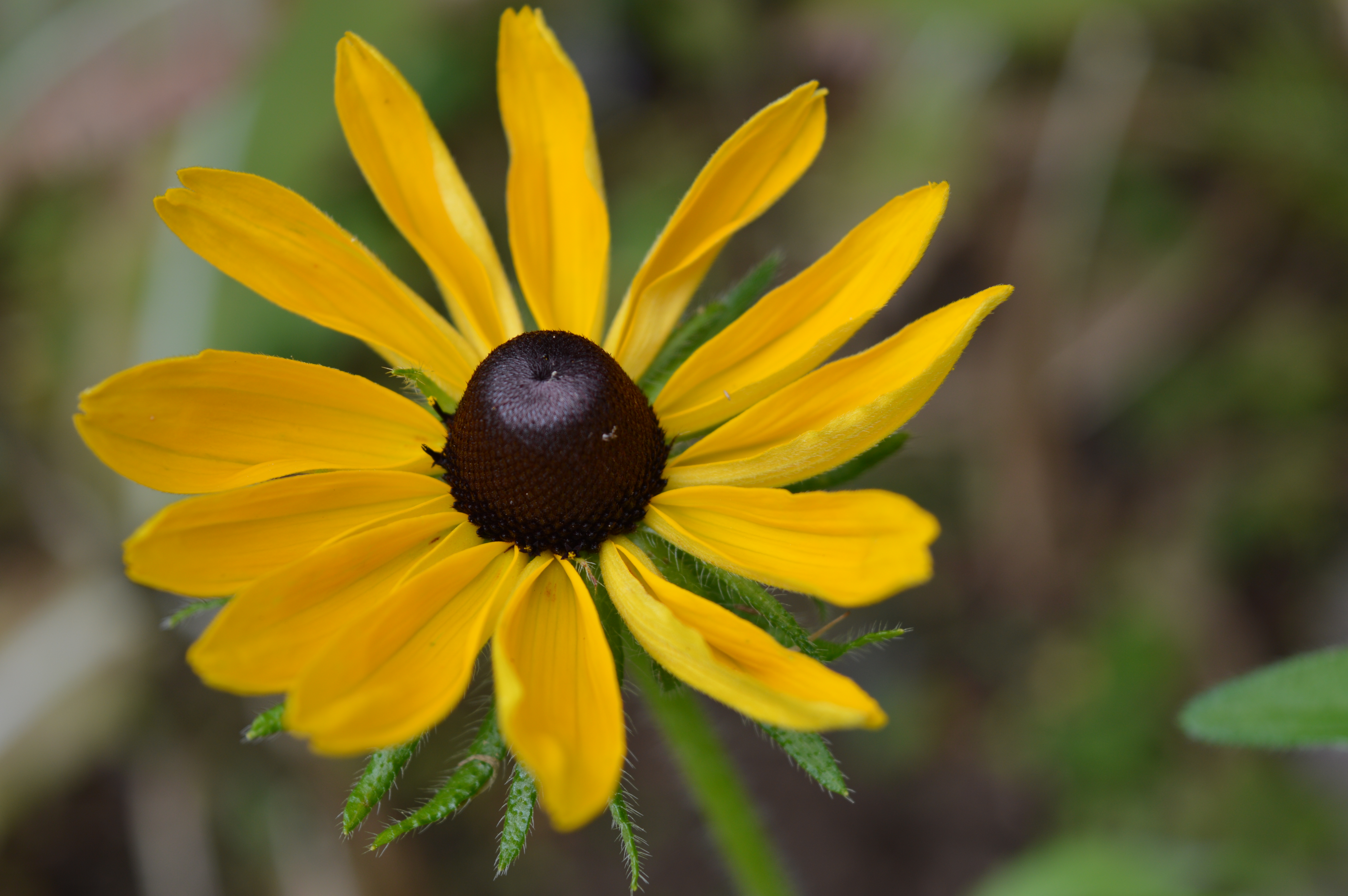
which also, when seen close up, reveal little fluted tubes with pollen caps.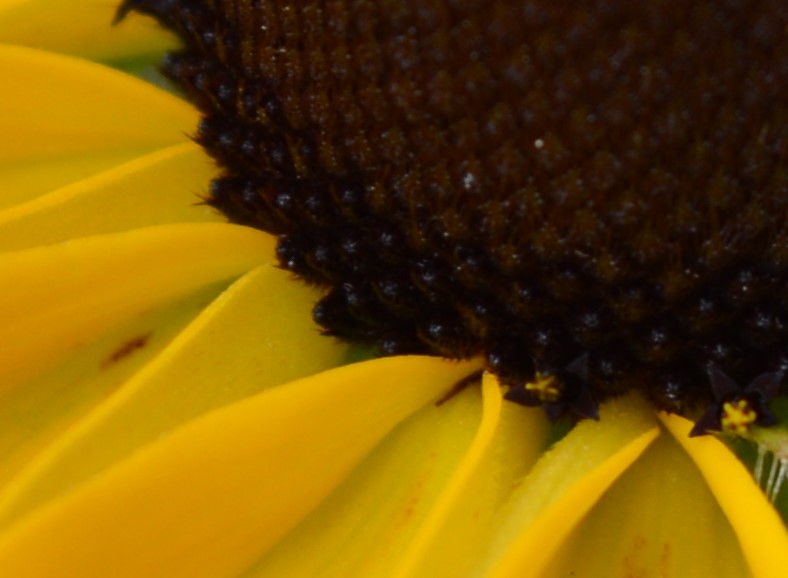
The Sunflowers 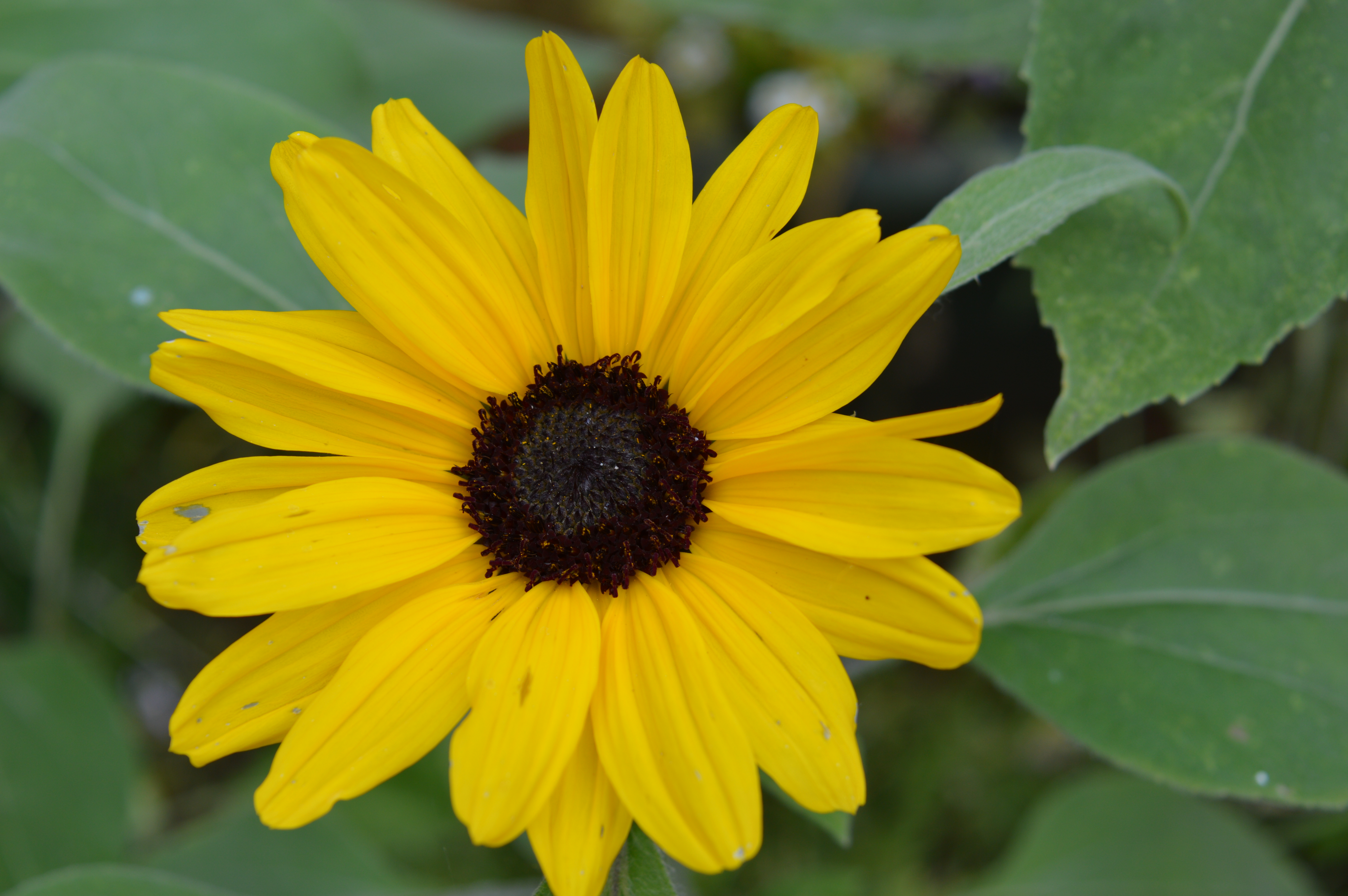
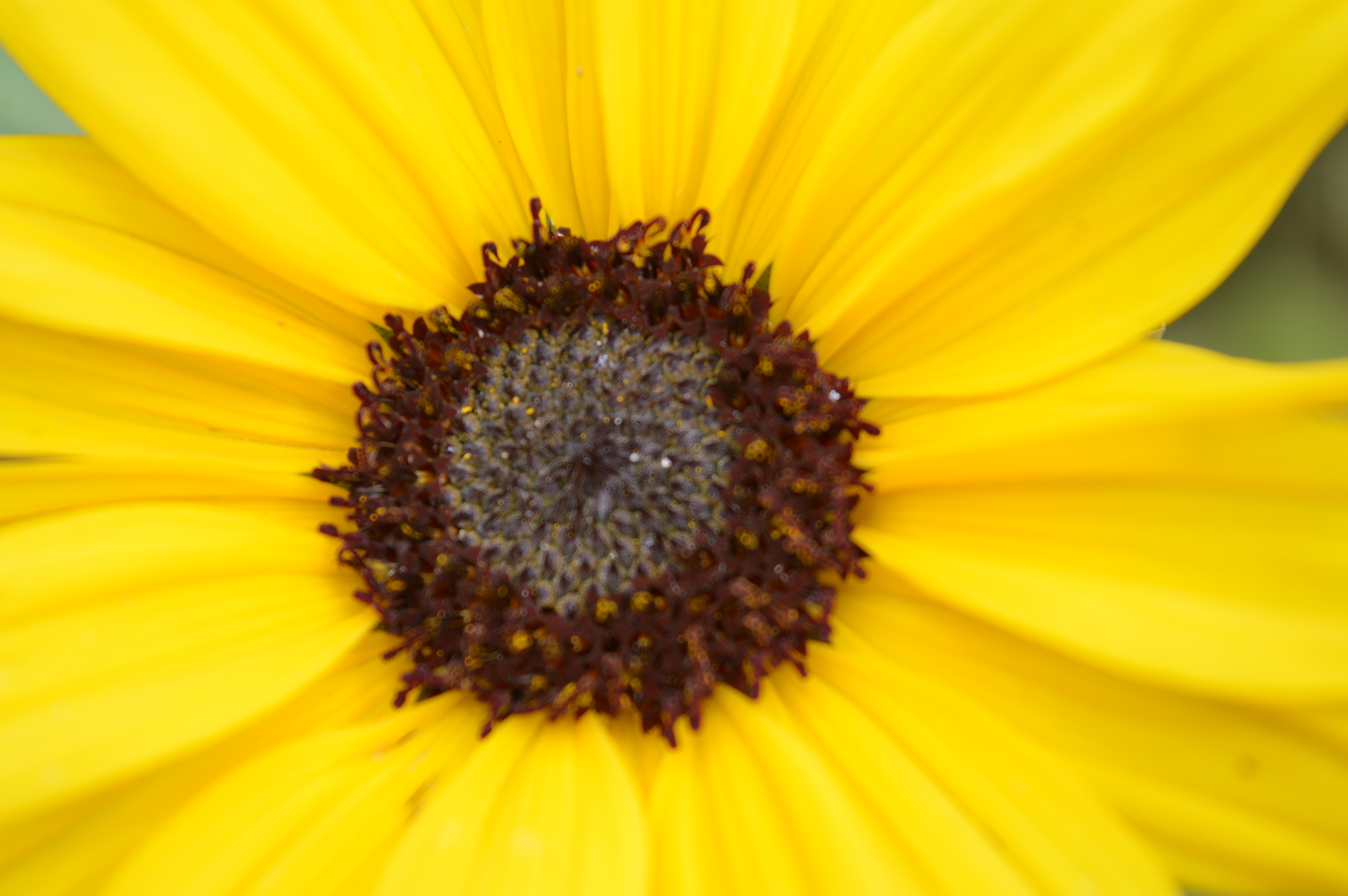
And the rather amazing Ragwort,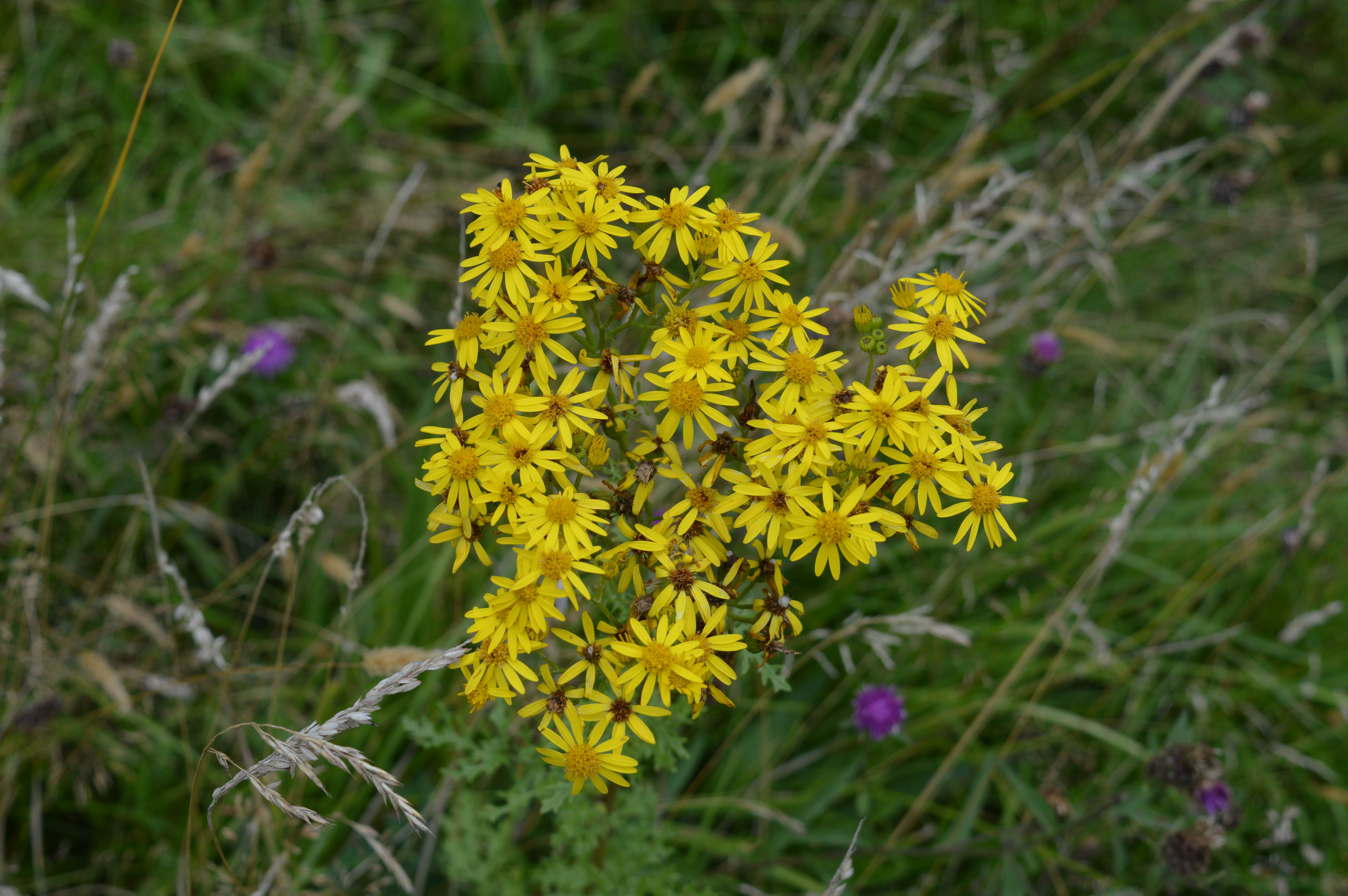 which, when first opened look like sealed bulbs, which then open out to allow access to the precious nectar and pollen within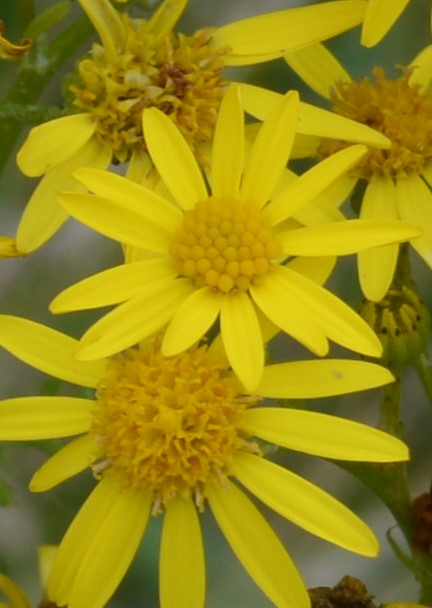
And the Zinnia 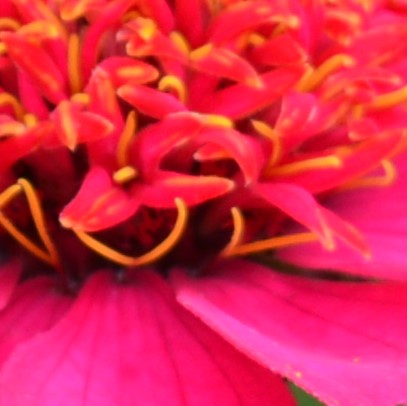
which has many tiny florets which make up 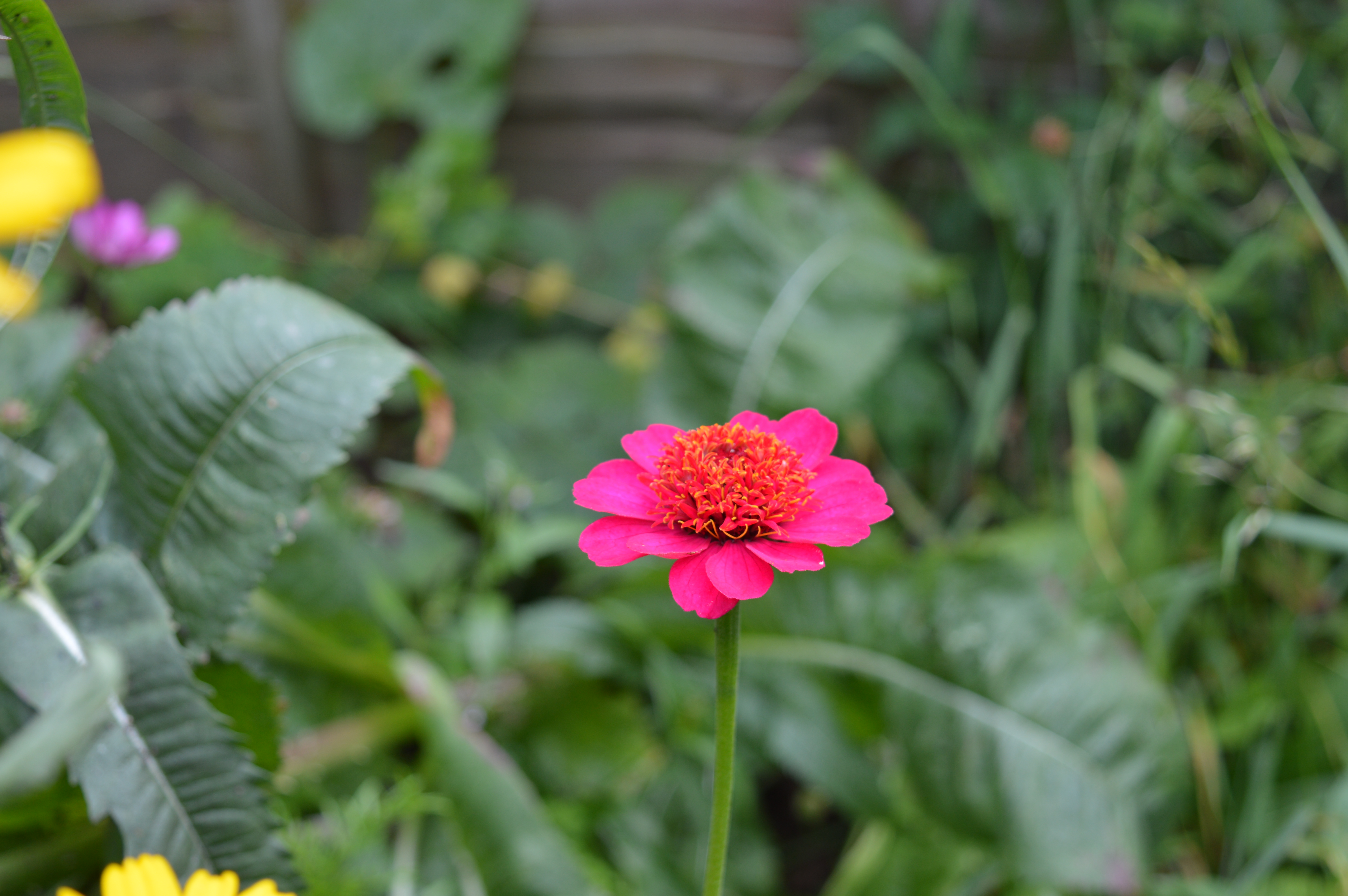 the flower head we normally see
Then we have the awesome Teasel heads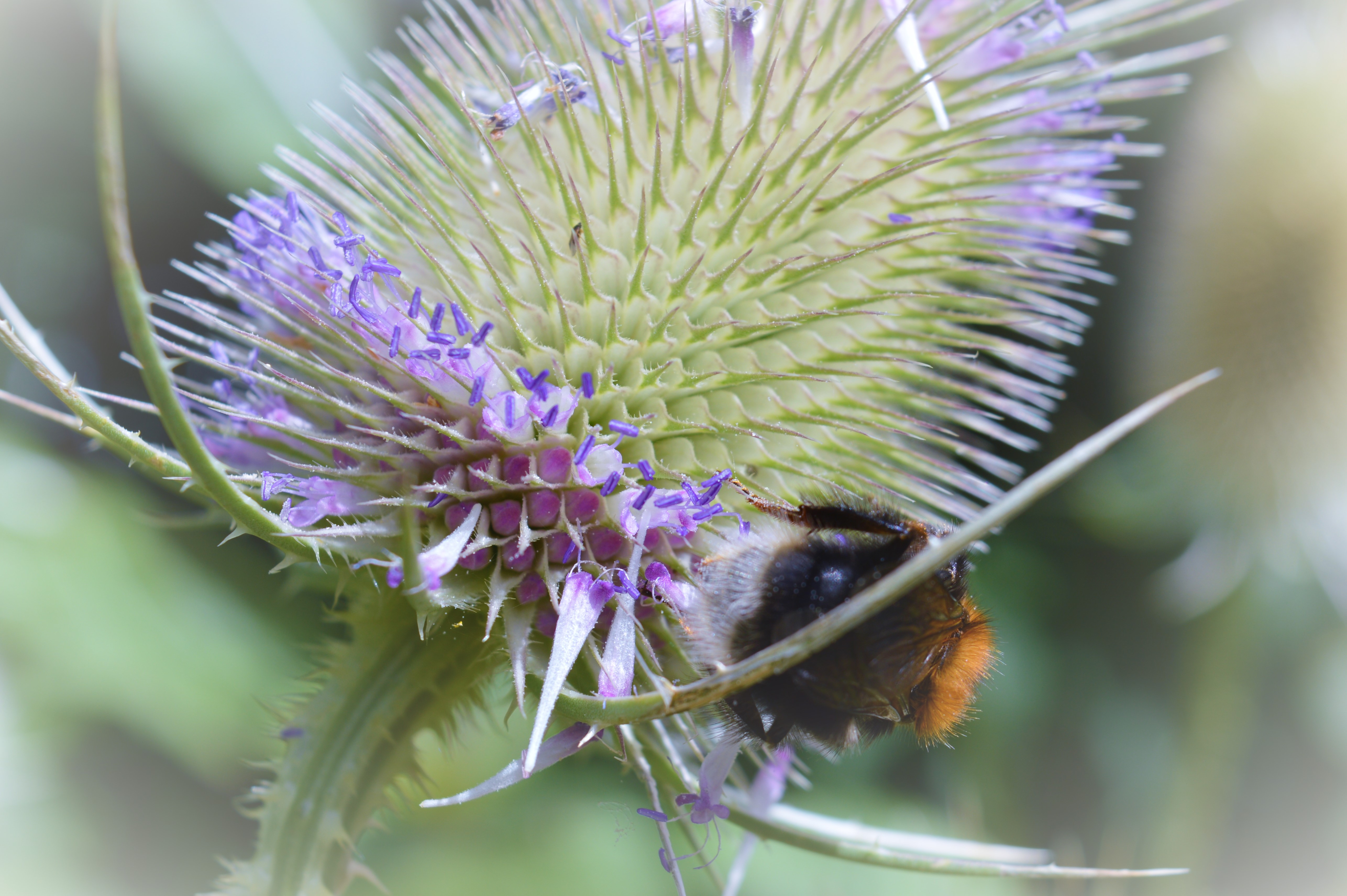
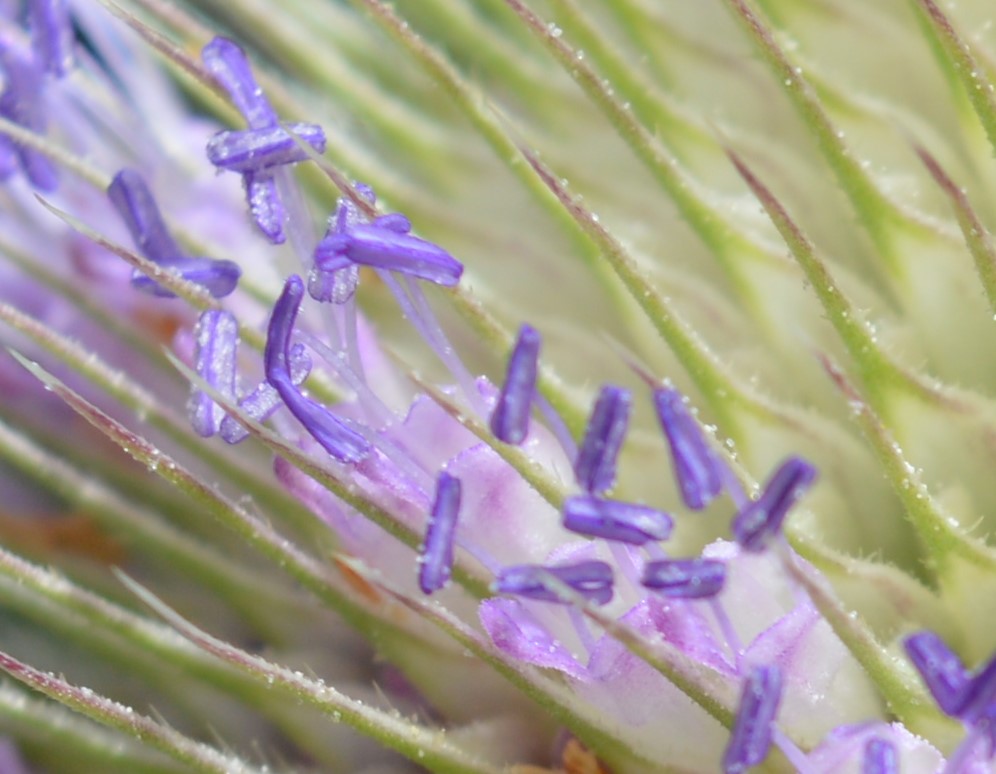 with their spines
 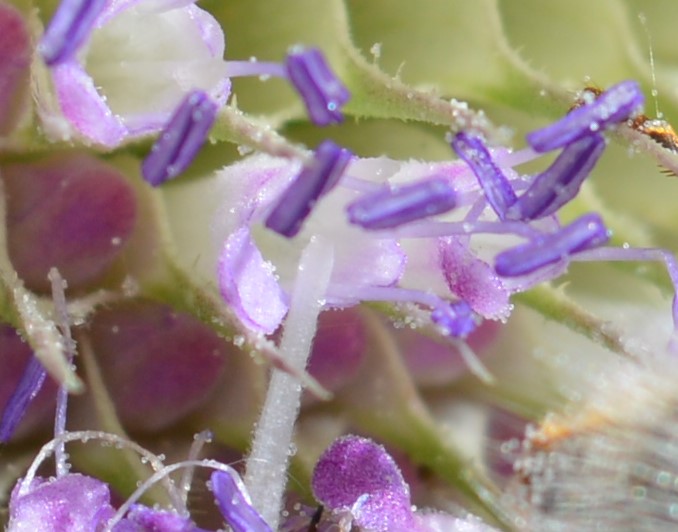 and their cones
which house their tiny florets that blossom out like tiny fountains 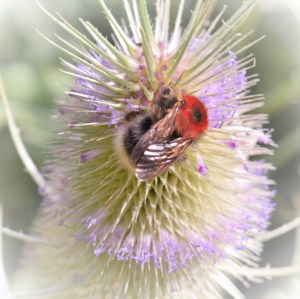 in patterns around the heads
Then there are the Allium
 a globe of tiny florets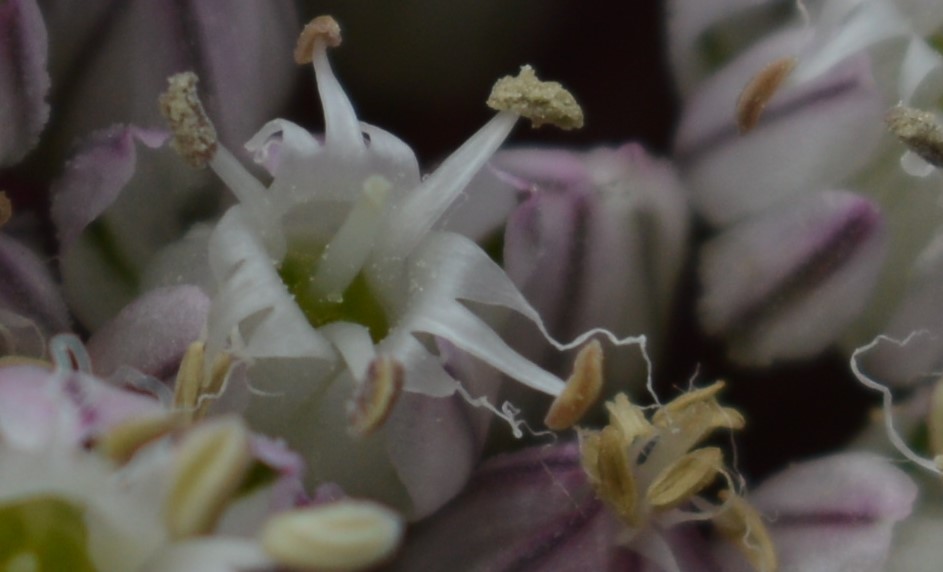
And, there are the masters of the wind, which sing softly as I sit and take in all the beauty of the colour of the flowers… The Grasses
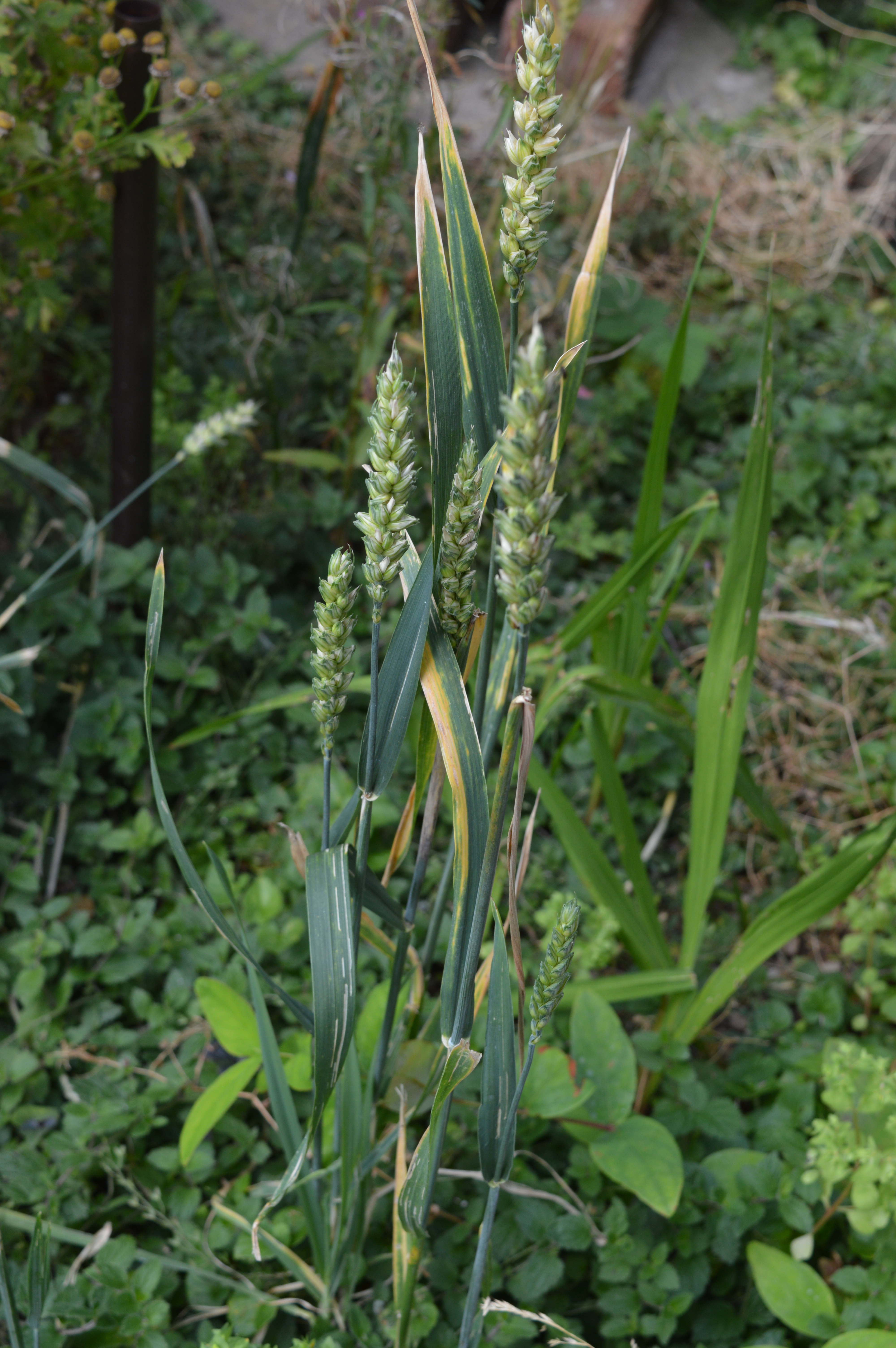
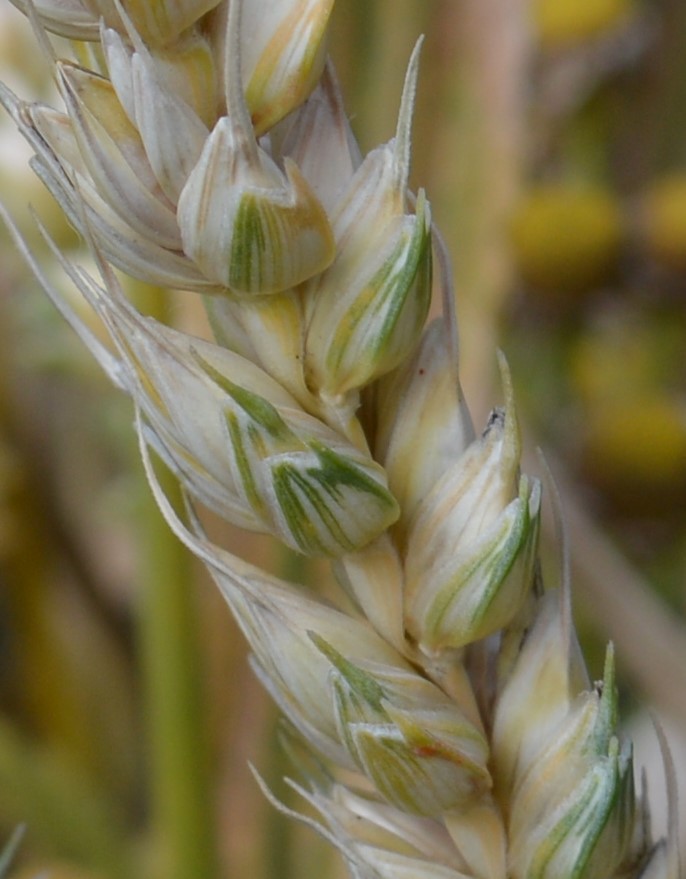
which use the air to deliver their pollen. Tiny wisps with stamens wave in the breezes of the summer and ripen into tiny power packs of seed, which help to feed the birds throughout the Autumn and winter months.
 Aeolian Whispers